New - 30 Mins Ago
$349,950
Active
3
Beds
2.00
Baths
1056
Sqft
--
Acres
857 Dryden St, Virginia Beach, VA 23464
MLS#: 10653558



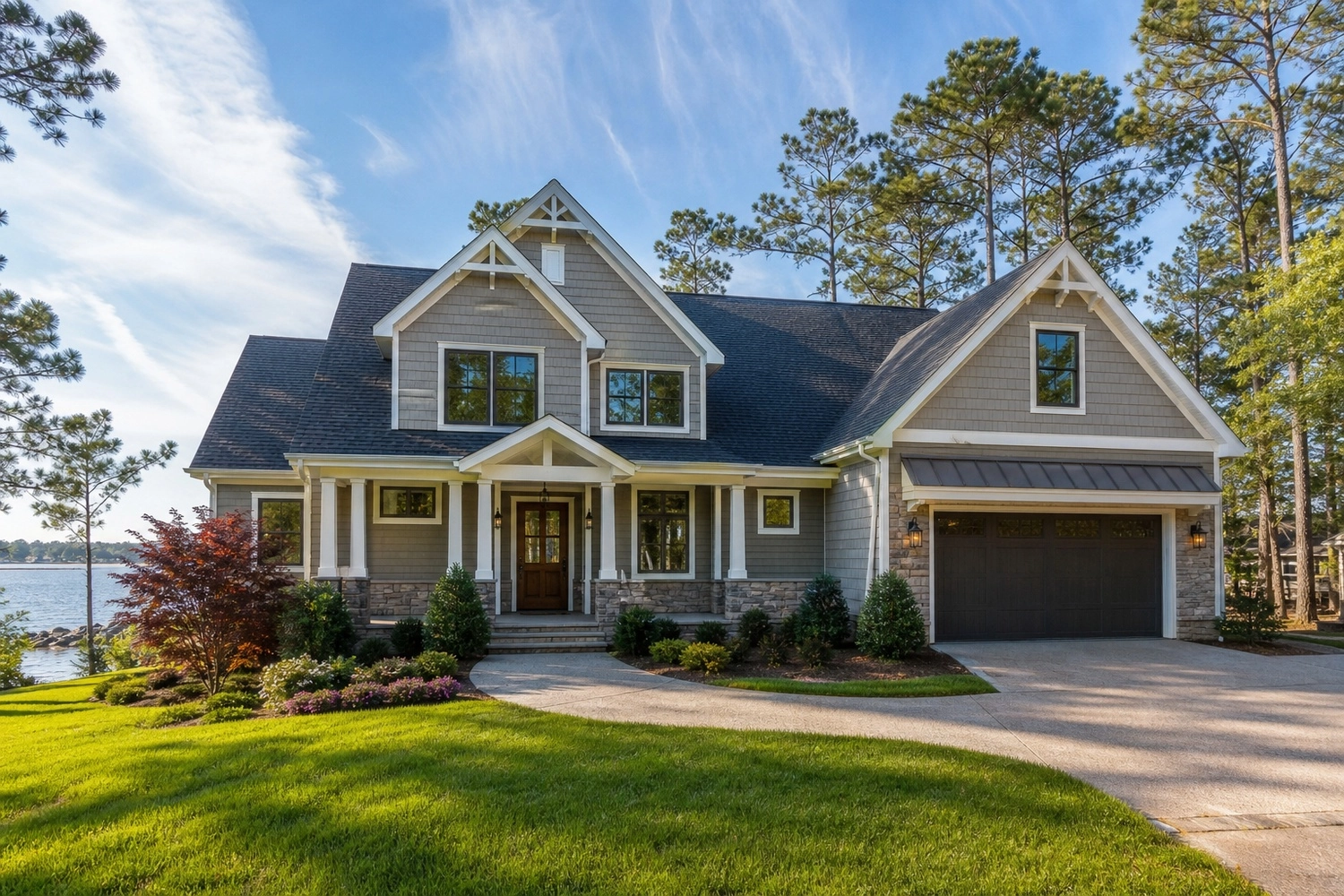
Open-water lots on Broad Bay command the clearest price premium in Great Neck, with waterfront homes generally starting above $900,000 compared to $500,000 to $1.5 million for non-waterfront properties in the same neighborhood. Lot position affects not just what you pay today, but what your home is worth when it's time to sell.
Open-water lots on Broad Bay command the clearest price premium in Great Neck, with waterfront homes generally starting above $900,000 compared to $500,000 to $1.5 million for non-waterfront properties in the same neighborhood. Lot position affects not just what you pay today, but what your home is worth when it's time to sell.
Great Neck is one of the most desirable neighborhoods in Virginia Beach, and for good reason. It sits between Broad Bay and Linkhorn Bay, with water access woven through the neighborhood in a way that makes lot position one of the primary drivers of value. Two homes with identical square footage, similar finishes, and the same school district can trade at dramatically different prices based entirely on where the lot sits relative to the water.
That's not unique to Great Neck, but it's more pronounced here than in most Virginia Beach neighborhoods because the water is genuinely accessible, not just decorative. Broad Bay is navigable. Lots with open-water frontage on Broad Bay offer something that cannot be replicated by renovation or addition: a view and access that is fixed by geography.
When I work with buyers in Great Neck, the first conversation is almost always about lot position, not the house. The house can be updated. The lot cannot be moved.
Waterfront homes in Great Neck generally start above $900,000, with open-water Broad Bay lots representing the top of that range. The premium over a comparable non-waterfront home in the same neighborhood is substantial, and it holds at resale. Buyers who purchase open-water frontage in Great Neck are not just buying a view for today. They are buying into a tier of the market that has historically been more resilient and more liquid than the broader Virginia Beach detached home market.
Non-waterfront homes in Great Neck range from roughly $500,000 to $1.5 million, which tells you something important: the non-waterfront segment has its own wide range driven by lot size, home size, condition, and proximity to the water even without direct frontage. A large, well-positioned non-waterfront home on a quiet street close to the bay can trade above some waterfront properties elsewhere in Virginia Beach. Great Neck's overall desirability lifts the floor for the entire neighborhood.
Not all water in Great Neck is equal, and buyers who treat it as a binary (waterfront or not) often miss important distinctions that affect both the purchase price and the eventual resale.
The clearest tier is open-water Broad Bay frontage. These lots offer unobstructed water views, direct bay access, and the strongest resale demand. They are the scarcest and the most consistently valued.
Canal lots and cove-access lots occupy a middle tier. They offer water access and often dock capability, but views are more limited and navigability depends on the specific canal, including depth, width, and whether a fixed bridge affects boat clearance. Buyers focused on boating need to evaluate each of these lots individually, not as a category.
Near-water lots without direct frontage form the third tier. These homes may have partial water views, easy walking access to community water features, or simply the benefit of being in a neighborhood where water is close. They trade at a premium over comparable homes in non-waterfront Virginia Beach neighborhoods, but they do not carry the same resale dynamics as direct-frontage lots.
Understanding which tier you're buying into matters enormously when it's time to sell. A buyer who pays a near-water premium expecting open-water resale performance will be disappointed.
This is the part of a Great Neck waterfront purchase that I see cause the most problems for buyers who don't have proper guidance, and it's worth being direct about it.
Waterfront and near-water homes in Great Neck are frequently in FEMA flood zones, which means flood insurance is not optional if you're financing the purchase. The cost of that insurance varies significantly depending on the property's elevation, flood zone designation, the age of the structure, and whether an elevation certificate exists. Two homes on the same street can have very different flood insurance premiums.
The mistake I see buyers make is waiting too long to get a flood insurance quote. If you don't obtain that quote before your contingency period expires, you are making a binding commitment to purchase a home without knowing one of its recurring annual costs. In some cases, that cost is manageable. In others, it materially changes the math on the purchase. And if the numbers don't work and your contingency has already expired, you are looking at losing your earnest money deposit to walk away.
The fix is straightforward: get a flood insurance quote early in the due diligence process, not at the end. Your agent should be prompting you to do this. If they're not, that's a gap in your representation.
For a broader look at what the waterfront buying process involves, my post on what to expect when buying a waterfront home in Virginia Beach covers the full picture.
If you own a waterfront home in Great Neck and are thinking about selling, lot position is your strongest asset, but only if it's priced and marketed to the buyers who will pay for it. Open-water Broad Bay frontage attracts a specific buyer: someone who understands what they're getting, has likely looked at comparable properties, and is making a deliberate decision to pay for that tier of the market.
Overpricing a waterfront listing because the seller values the view more than the market does is one of the most common mistakes I see. The market for open-water Great Neck frontage is active, but it is not unlimited. Buyers at that price point are sophisticated and patient. A listing that sits because it's priced above what the lot position justifies will eventually sell for less than a correctly priced listing would have, because days on market create their own narrative.
The other mistake is under-positioning. A waterfront home marketed with the same approach as a non-waterfront listing, generic photos, standard description, broad audience targeting, leaves value on the table. The lot is the asset. The marketing should lead with it.
Pricing strategy for Great Neck waterfront requires a genuine understanding of the lot tiers, recent comparable sales at each tier, and honest assessment of where a specific property sits within its tier. That's not a Zestimate exercise. It's a conversation with someone who knows this neighborhood.
Lot position in Great Neck is not a soft preference. It is a hard driver of value that shows up consistently in sale prices, days on market, and resale performance over time. Open-water Broad Bay frontage is the most valuable position in the neighborhood. Canal and cove-access lots occupy a middle tier with their own nuances. Near-water lots carry a neighborhood premium without the direct-frontage dynamics.
Buyers who understand these tiers make better decisions. Sellers who price and market to them capture more value. And everyone who skips the flood insurance step early in the process is taking a risk that has no upside.
If you're thinking about buying or selling in Great Neck and want to talk through what lot position means for your specific situation, I'm happy to have that conversation.
Open-water Broad Bay frontage offers unobstructed views and direct navigable water access, two things that cannot be added to a property after the fact. Scarcity drives value here: there are a finite number of these lots, and demand from buyers who specifically want that position is consistent. That combination produces stronger resale performance and more liquidity than other lot types in the neighborhood.
Waterfront homes in Great Neck generally start above $900,000, while non-waterfront homes in the same neighborhood range from roughly $500,000 to $1.5 million depending on size, condition, and proximity to the water. The gap between a waterfront and a comparable non-waterfront home varies by specific lot position, but open-water frontage consistently commands a meaningful premium over non-waterfront properties at similar square footage and finish levels.
Many waterfront and near-water homes in Great Neck are located in FEMA flood zones, which means flood insurance is required by your lender if you are financing the purchase. Premiums vary significantly based on the property's elevation, flood zone designation, and whether an elevation certificate is on file. Getting a flood insurance quote early in your due diligence period, before your contingency expires, is essential. Waiting until the end of the process can leave you committed to a purchase without knowing a significant recurring cost.
Waterfront homes in Great Neck attract a specific, sophisticated buyer who is making a deliberate decision to pay for lot position. Marketing that leads with the lot, its water frontage, views, and access, rather than treating it like a standard listing, reaches that buyer more effectively and supports the asking price. Generic marketing on a waterfront listing leaves value on the table. Pricing also needs to reflect the specific lot tier: open-water frontage, canal access, and near-water positions each have their own comparable sales and their own buyer pool.
Canal lots offer water access and often dock capability at a lower price point than open-water Broad Bay frontage, which makes them a reasonable alternative for buyers who want water access without paying the top-tier premium. The key is evaluating each canal lot individually. Water depth, canal width, and whether a fixed bridge affects boat clearance all vary and directly affect how usable the access is. A canal lot that looks like a bargain compared to open-water frontage may have navigability limitations that explain the price difference.
Lot position is the variable that matters most in Great Neck, and it's the one that's hardest to evaluate without someone who knows the neighborhood well. If you're buying or selling and want a straight answer on where a specific property sits in the market, call me.
Call Andrew Christie directly at 757-502-5077
Equal Housing Opportunity. Andrew Christie, Virginia Real Estate License #0225199734 | Virginia DPOR. This article is general information only and does not constitute legal, tax, or financial advice. Verify all figures, costs, and flood zone designations with your closing agent, insurance provider, or lender for your specific transaction.