New - Just Now
$365,000
Active
3
Beds
2.00
Baths
1248
Sqft
--
Acres
1504 Snowbird Ct, Virginia Beach, VA 23454
MLS#: 10654058



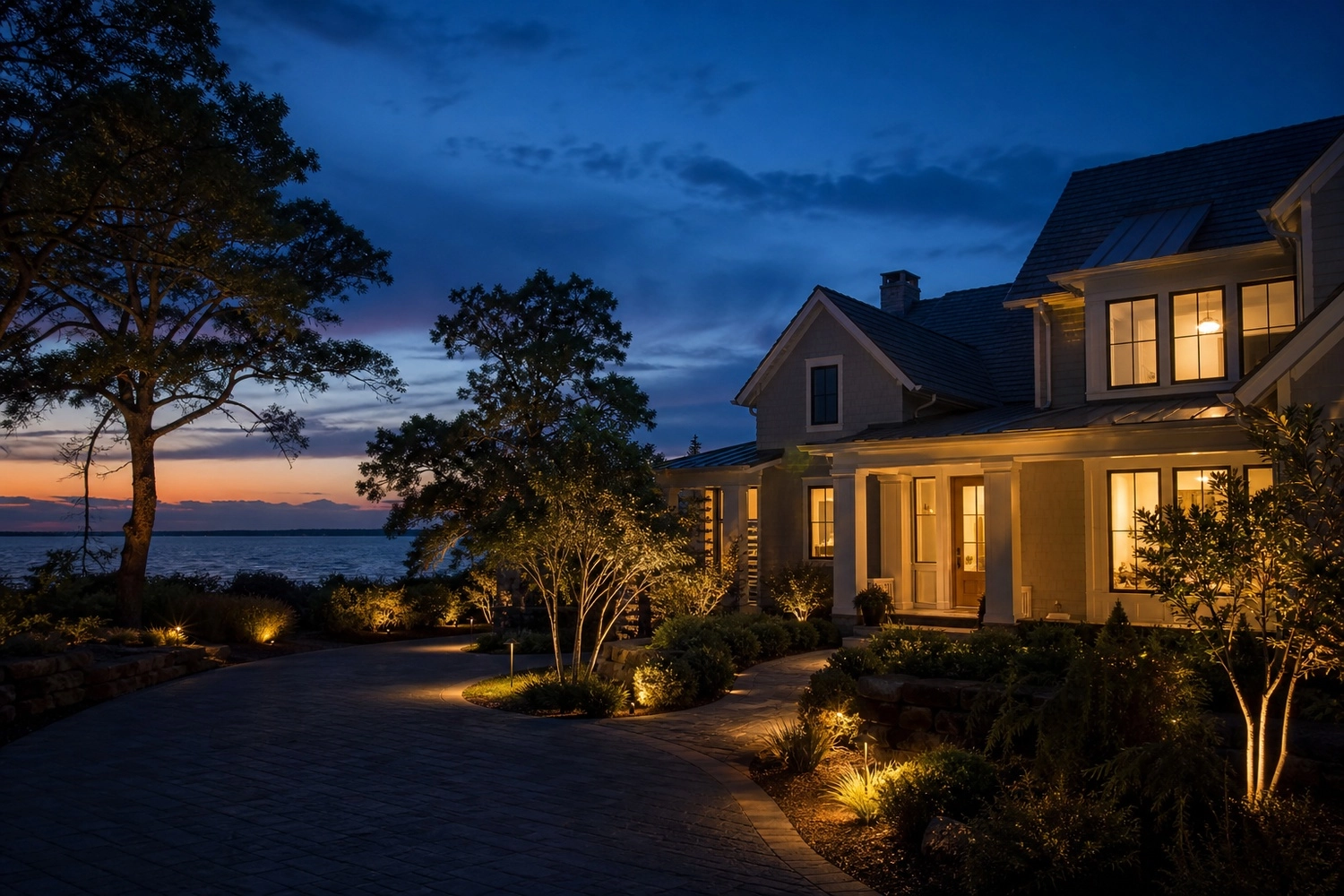
Buying a house in Great Neck, Virginia Beach requires cash for five separate buckets: your down payment, buyer-side closing costs, earnest money, inspections paid before closing, and lender-required reserves that must stay in your account after you close. With Great Neck home prices commonly ranging from $500,000 to well over $900,000, the right loan product and assistance strategy can shift your required cash by tens of thousands of dollars.
Buying a house in Great Neck or anywhere in Virginia Beach requires cash for five separate buckets: your down payment, buyer-side closing costs, earnest money, inspections paid before closing, and lender-required reserves that must stay in your account after you close. The total varies by loan type, purchase price, and whether you qualify for state or local assistance programs. In Great Neck specifically, where entry-level homes often start above $500,000 and waterfront properties can push well past $900,000, even a small percentage difference in your down payment or closing cost strategy translates to real money.
Most buyers focus entirely on the down payment and then get surprised at the closing table. Here is what each bucket is, when it hits, and what drives the amount.
Your down payment is the largest single item for most buyers, and the minimum depends entirely on your loan type, not on Virginia law. Hampton Roads buyers commonly use four loan products, each with different minimum requirements set by Fannie Mae, Freddie Mac, FHA, the VA, or USDA guidelines:
In Great Neck, Alanton, and the broader coastal Virginia Beach corridor, price points routinely sit between $500,000 and $1.2 million depending on the street, the lot, and whether you have water access. At those numbers, the difference between a 3% conventional down payment and a 5% or 10% down payment is not rounding error, it is $15,000 to $70,000 or more. I walk my clients through loan product selection early, before we ever look at a house, because the right product can change your required cash by tens of thousands of dollars. For a deeper look at how down payment assistance layers on top of these products, see my post on Down Payment Options for Great Neck Virginia Beach Buyers.
Closing costs are separate from your down payment and cover the fees and prepaid expenses required to complete the transaction. In Virginia, both buyers and sellers pay closing costs, what each side pays is driven by local custom and contract negotiation, not a universal legal rule.
Here are the core categories you should expect on the buyer side:
Several of these line items, title company selection, certain lender fees, and even the recordation tax allocation, are negotiable. Your Loan Estimate, which your lender is required to provide, will itemize every cost so you can compare lenders and understand what is fixed versus what you can push back on. The CFPB's Loan Estimate explainer is a useful reference for decoding that document.
Seller concessions are another lever. In Hampton Roads, I have seen sellers cover a meaningful portion of buyer closing costs, particularly in the mid-price range and in situations where a home has been sitting longer than average. Whether that is realistic in your specific search depends on the current market conditions and the price band you are working in, that is a conversation worth having before you make an offer, not after.
Earnest money is a good-faith deposit you pay when your offer is accepted. It is not an additional cost, it gets credited toward your down payment or closing costs at settlement, but it is cash that leaves your account early in the process, typically within a few days of contract ratification.
In Virginia Beach, earnest money is held in escrow by the listing brokerage, buyer's brokerage, or the closing agent, depending on how the contract is written. The amount is negotiated and varies by price point and market conditions. In Great Neck specifically, where well-priced homes with water access or on desirable streets still move quickly, a stronger earnest money deposit signals commitment and can matter in a multiple-offer situation.
What happens to earnest money if something goes wrong is controlled entirely by the contract contingencies. If you have an inspection contingency and the home has a significant issue, you can typically terminate and recover your deposit. If your financing falls through and you have a financing contingency in place, same result. If you walk away outside of a contingency, you risk forfeiting it. Virginia law does not set a universal refund rule, your contract language is what matters, and I review that with every buyer I work with before they sign anything.
Home inspections in Virginia are almost always a buyer responsibility, paid directly and out of pocket, not rolled into your loan, not included in your closing costs, and not reimbursed by the seller unless you negotiate that separately. According to both iBuyer's Virginia inspection guide and Houzeo's Virginia inspection cost breakdown, buyers in Virginia typically pay for inspections as part of their due diligence, usually within the first week or two after contract acceptance.
In Hampton Roads, a standard home inspection is rarely the only inspection you need. Given the region's climate, soil conditions, and coastal proximity, buyers here routinely add:
Budget for inspections as a separate line item in your pre-closing cash plan. They are nontrivial, they come due quickly after contract ratification, and they are money well spent, I have seen inspections save buyers far more than they cost by surfacing issues before the deal closes.
Reserves are not paid at closing, but they directly affect how much total cash you need to have saved. Conventional lenders often require 2 to 6 months of reserves, meaning your full monthly housing payment (principal, interest, taxes, insurance, and any HOA dues) sitting in a documented account after all your closing funds have been wired, according to Virginia mortgage guidance. VA and FHA loans may have different or no explicit reserve requirements, though lender overlays can add them based on your borrower profile.
The practical impact: you cannot drain every dollar into your down payment and closing costs if your lender requires reserves. Your total savings target needs to account for what must remain after the wire goes out. This is one of the first things I ask buyers to confirm with their lender, because it changes the math on what you actually need saved before we start shopping.
Yes, and in Hampton Roads, the options are real and frequently used. Here are the main programs worth knowing about.
Virginia Housing (formerly VHDA) offers statewide programs including the FirstHome and Plus Second Mortgage products. The Plus Second pairs a first mortgage with a second loan that can cover down payment and closing costs, effectively reducing the cash a buyer needs to bring. These programs work with participating lenders throughout Hampton Roads, and income and purchase price limits apply. The Virginia Housing homebuyer page has current eligibility details.
The Federal Home Loan Bank of Atlanta administers grant programs that participating member banks can offer to qualifying buyers. These grants can be applied toward down payment and closing costs and typically carry an occupancy requirement. Your lender needs to be an FHLBank Atlanta member to access these, ask specifically when you are interviewing lenders. The FHLBank Atlanta community investment page outlines current program availability.
For buyers purchasing in Chesapeake, this is one of the most direct forms of assistance available in the region. The Chesapeake HOME Program offers a down payment and closing cost grant of up to $25,000, with a buyer contribution requirement of just 1% of the sales price. That means a qualifying buyer purchasing a $350,000 home in Chesapeake needs to contribute $3,500 of their own funds toward the transaction, the grant covers the rest of the down payment and closing costs up to the program cap.
The timing of the application matters. You typically need to apply before going under contract or early in the process, not at the last minute before closing. I help buyers who are targeting Chesapeake understand the sequencing so the grant is in place when we need it.
The Virginia Housing and Community Development Corporation administers a down payment and closing cost assistance program that covers specific areas across Hampton Roads. Eligible zip codes and income limits apply, and this program can sometimes be layered with Virginia Housing products for buyers who qualify for both. The VHCDC website has current program details.
| Cash Requirement | When It Is Due | Fixed or Negotiable |
|---|---|---|
| Down payment | At closing | Minimum set by loan type; amount above minimum is buyer's choice |
| Buyer closing costs | At closing | Mix of fixed (statutory taxes) and negotiable (lender fees, seller concessions) |
| Earnest money | Within days of contract ratification | Negotiated; credited back at closing |
| Inspections | During due diligence period, before closing | Buyer pays directly; amount varies by inspections ordered |
| Reserves | Must remain in accounts after closing | Set by lender underwriting; not paid out but must be documented |
One more thing worth mentioning: since the 2024 NAR settlement, buyer-agent compensation is openly negotiated in Hampton Roads rather than assumed. How you structure that, and whether it affects your closing cost credits or concession strategy, is something I walk through with every buyer at the start. For a full breakdown of how agent compensation works in Hampton Roads today, that post covers the rule changes in detail.
Pre-approval tells you what you can borrow, but your actual cash requirement is separate. You will need funds for earnest money (due within days of contract ratification), inspections (due during the due diligence period), and then your down payment plus buyer-side closing costs at the closing table. You also need to keep any lender-required reserves in your account after all of that. The specific total depends on your loan type, purchase price, and whether you are using any assistance programs, your lender's Loan Estimate will itemize the closing portion, and I help buyers map out the full timeline of when each dollar is due.
Virginia buyers typically pay for the appraisal, lender fees, lender's title insurance, prepaid interest, escrow setup for taxes and insurance, and a portion of state recordation taxes. The statutory tax rates are fixed by Virginia law, but which party pays them is negotiated in the contract. Lender fees, title company selection, and whether the seller covers any of your costs through a concession are all negotiable. In Hampton Roads, seller concessions toward buyer closing costs are a real tool, how realistic they are in your specific situation depends on the price range and current market conditions.
Whether earnest money is refunded depends entirely on the contingencies written into your purchase contract, Virginia law does not set a universal refund rule. If you have an inspection contingency and terminate within the allowed window due to inspection findings, you typically get your deposit back. The same applies to a financing contingency if your loan falls through for reasons covered by the contract language. If you terminate outside of a contingency, you risk forfeiting the deposit to the seller. I review every contingency with my buyers before they ratify so there are no surprises.
Assistance programs can significantly reduce the cash you need to bring. Virginia Housing's Plus Second Mortgage can cover down payment and closing costs for qualifying buyers, and FHLBank Atlanta grants can be applied toward both as well. The Chesapeake HOME Program requires only a 1% buyer contribution for qualifying buyers, with a grant covering the rest up to $25,000, according to the program flyer. Each program has income limits, purchase price caps, and geographic requirements, the key is knowing which ones you qualify for before you start your search, not after you are already under contract.
Reserves are the funds your lender requires you to have left in documented accounts after your down payment and closing costs have been paid. Conventional lenders often require 2 to 6 months of your full housing payment in reserves, per Virginia mortgage guidance. VA and FHA loans may handle reserves differently depending on your profile and lender overlays. Practically, reserves mean you cannot plan to spend every dollar you have saved, you need a cushion on top of your closing funds, and that cushion needs to be confirmed with your lender early in the process.
Sellers can and do contribute to buyer closing costs in Hampton Roads through seller concessions written into the purchase contract. It is not automatic, and it depends on the seller's motivation, the competitiveness of the market at that price point, and how the offer is structured. In the right situation, a well-structured offer that includes a concession request can meaningfully reduce the cash you need at the table without costing you the deal. This is one of the strategy conversations I have with every buyer before we write an offer.
Every buyer's cash picture is different, and the only way to know your real number is to work through it with someone who knows this market. If you are getting serious about buying in Great Neck or anywhere along the Virginia Beach coast, let's map out your full cash requirement before you start shopping so there are no surprises when it matters most.
Call me directly at 757-269-9746 to talk through your specific numbers, or download the Great Neck Insider Report to see exactly how the Great Neck market is priced and moving right now before you make a move.
Equal Housing Opportunity. Andrew Christie, Virginia Real Estate License #0225199734 | Virginia DPOR. This article is general information only and is not legal, tax, or financial advice. Confirm your specific costs and loan requirements with your closing agent, tax advisor, or lender.