


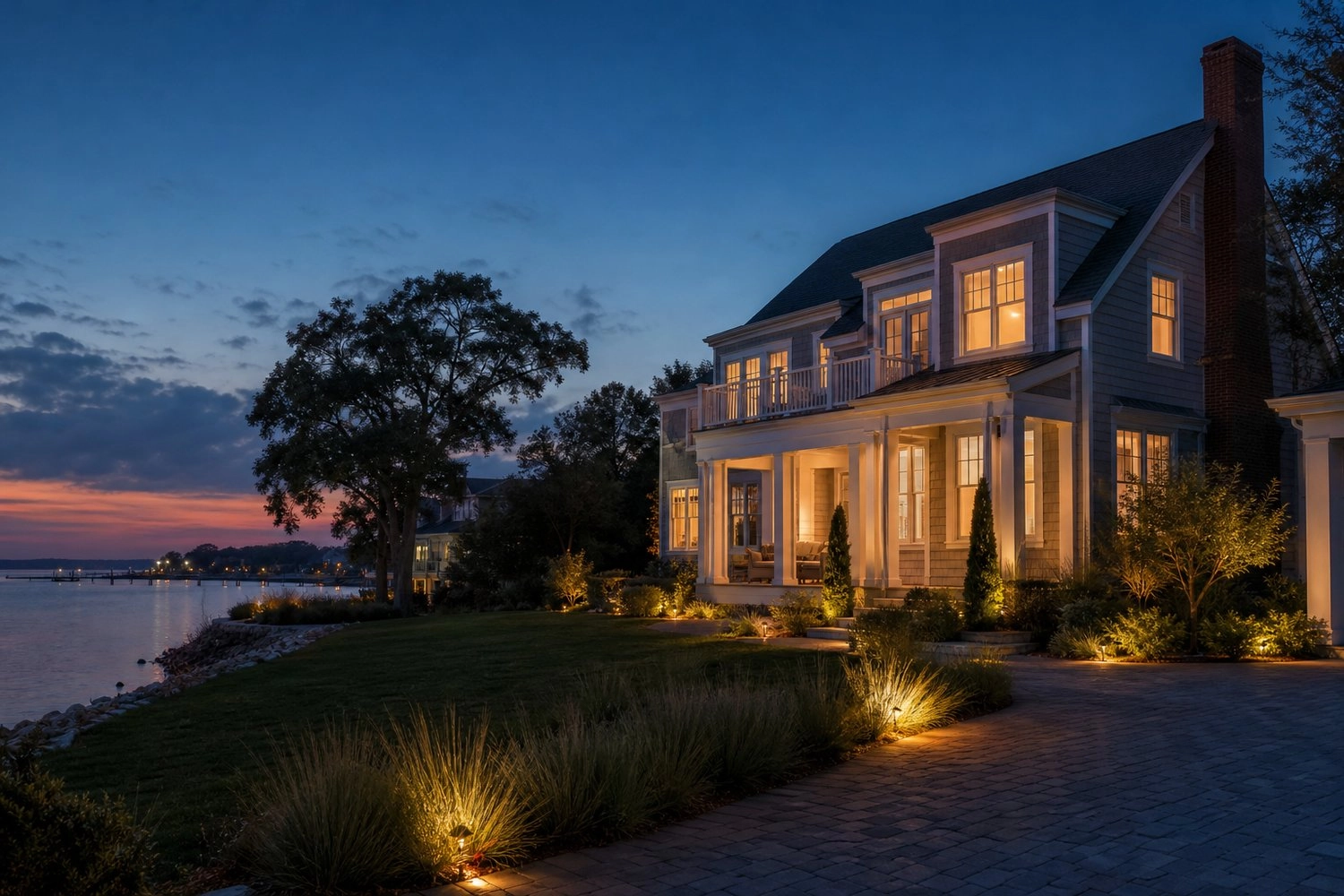
Before you assign any waterfront markup to a Great Neck home, price the parcel itself. Pull the flood map and elevation documents, get homeowners and flood insurance indications, have a marine or structural professional inspect the shoreline structure, and confirm with the city what you can build. Those four checks show what the premium really buys.
Is Great Neck’s Coastal Premium the same for every waterfront home?
No. Great Neck’s Coastal Premium depends on the individual parcel: its flood zone and elevation, the condition of the seawall or bulkhead, the insurance terms available, and how much of the lot you can actually use or rebuild on. Two homes on the same street can carry very different ownership costs and long-term value. Compare property by property instead of applying one markup to everything near the water.
Key Takeaways
- The most recent REIN MLS report, for October 2026, shows a regional median sales price of $370,180 and 3.11 months of inventory, but those figures cover the broader region and say nothing about the Great Neck waterfront.
- Virginia Beach is a FEMA Community Rating System Class 7 community with a 15% flood-insurance premium discount for eligible residents, yet each policy is still priced and written property by property.
- Development in a Special Flood Hazard Area requires a city permit, and flood zones and Chesapeake Bay Preservation Areas can trigger additional environmental approvals.
- A seawall or bulkhead is an engineered asset, and a standard home inspection may not adequately assess it.
- Ask for homeowners and flood insurance indications before you waive contingencies, not after.
What goes into Great Neck’s Coastal Premium on a given property?
The premium is the combination of lifestyle value and ownership trade-offs attached to one specific parcel, and it can't be read off a neighborhood name. Alanton, Great Neck Point, Bay Island, Broad Bay Point Greens, and Trantwood Shores all have shoreline and water-proximity homes, but shoreline conditions vary within each of them.
Start with a regional reality check. The most recent REIN MLS report, from October 2026, shows 6,603 active residential listings, 1,704 pending sales, 1,899 settled sales, and a median sales price of $370,180. Inventory sat at 3.11 months. That is a regional picture. Andrew's Great Neck clients are typically shopping closer to an $800K average, so the regional median isn't a yardstick for waterfront value, and no one should convert it into a waterfront markup.
Here is what Andrew sees often in this market. Homes on or near the water sometimes list at prices close to comparable inland homes, because the water relationship isn't always priced in. A buyer who can read that relationship (creek proximity, exposure, access, shoreline condition) can end up with a waterfront lifestyle at a price that looks inland. The opposite happens too. A beautiful shoreline with a tired bulkhead and costly insurance may not be the bargain the listing photos suggest. If you want more on reading the area, see why Great Neck buyers can tell if you know the area.
No Great Neck-specific dollar figure for the premium, a seawall replacement, or an insurance quote was verified for this post, and any number you see online without a parcel attached deserves skepticism. The real figure for your target home comes from comparable sales, a shoreline inspection, and insurance quotes. Andrew builds that comparison with clients before they write an offer.
How do you check flood exposure and insurance before making an offer?
Start with the exact parcel, not the neighborhood label. The City of Virginia Beach floodplain management program directs owners to the current FEMA Flood Insurance Rate Maps as the governing starting point, so pull the current map for the address.
A flood-zone designation alone doesn't determine a property's full risk or cost. Compare these for each home you're seriously considering:
- The specific FEMA zone and base-flood elevation
- Finished-floor elevation and the elevation certificate, if one exists
- The survey, plus crawlspace or basement configuration
- Prior claims or flood history where available
- Drainage and street access
- Any flood-mitigation work already done
Great Neck has varied shoreline conditions, so two nearby homes can have materially different exposure. That is why a neighborhood-level assumption fails.
What should you ask an insurer?
Ask for both homeowners and flood insurance indications early, and ask specifically about:
- Replacement-cost treatment and contents coverage
- Additional living expense
- Exclusions and separate deductibles
- Prior losses on the property
- What elevation documentation they need
- Whether the seawall, dock, retaining structure, or detached improvements are covered
Virginia Beach's Class 7 rating means a 15% communitywide discount on flood-insurance premiums for eligible residents. That helps, but the city is clear that it is a communitywide discount. It doesn't make individual policies interchangeable, and premiums and coverage remain specific to each property. Verify details with your lender and insurance agent for the home you're buying.
How do you evaluate a seawall, bulkhead, or dock?
Treat the shoreline structure as an engineered asset with its own inspection, records, and permit history, separate from the house. A home inspector walking the property is not a substitute for a qualified marine or structural professional.
Ask that professional to look at age, construction material, tiebacks, settlement, erosion, toe scour, drainage, and cap condition. Then request the paper trail: installation and repair records, permits, engineering plans, warranties, invoices, and evidence of recent storm or erosion damage. Treat riprap and the drainage system as separate line items too.
Permits matter here as well. Under the city's residential building permit rules, repair, replacement, or related site work may require review, particularly in a regulated floodplain or Chesapeake Bay area. A seawall that needs work is both a repair question and a feasibility question.
Who pays when a seawall is shared with a neighbor?
It depends on the recorded documents, the survey, and any agreements between the properties. Don't assume. Have your closing agent, either a title company or a real estate attorney, review recorded easements and any shared-structure agreements before your contingencies end. Attorneys are a good fit when the paperwork looks unusual, and title companies handle many of these reviews routinely. Both are normal in Virginia, and the choice is yours.
If you haven't read it yet, Andrew's post on why a view check isn't enough for Great Neck waterfront homes covers the first-visit side of this.
How do you separate lot value from house value and redevelopment potential?
Value the land and the improvements separately, then test whether your plans for the lot are allowed. A larger waterfront lot is not automatically a better redevelopment site if much of it is constrained by floodplain, wetlands, setbacks, access, or shoreline rules.
Virginia Beach requires a permit for development in a Special Flood Hazard Area and defines development broadly to include man-made changes. New construction or additions in flood zones and Chesapeake Bay Preservation Areas may require additional environmental approvals. That can affect the feasibility, timing, and design of an addition, elevation, replacement home, pool, accessory structure, or major grading.
Here is a side-by-side checklist for comparing properties:
| Property detail | What to verify | Where to verify it |
|---|---|---|
| Flood exposure | FEMA zone, base-flood elevation, finished-floor elevation, flood history | Current FEMA map, elevation certificate, survey |
| Insurance | Homeowners and flood terms, exclusions, deductibles, coverage of shoreline items | Insurance agent indications before contingencies end |
| Seawall or bulkhead | Age, material, tiebacks, settlement, toe scour, cap, repair records, permits | Marine or structural professional, seller records |
| Lot value | Width, usable upland area, shoreline length, orientation, navigability, dock potential | Survey, comparable sales, local market analysis |
| Redevelopment potential | Setbacks, floodplain and Bay Act constraints, access, grading limits | City of Virginia Beach planning and permit staff |
Build this into your due-diligence period from day one. Flood-map review, insurance underwriting, shoreline inspection, survey or elevation work, and municipal feasibility questions all take time, and no universal Great Neck approval timeline was verified. Starting them after your contingencies expire is how buyers get stuck. Your specific numbers depend on the parcel, and that's where a local market analysis comes in.
You can read what past clients say about working with Andrew on Google and Zillow.
FAQ
How much more does waterfront property cost in Great Neck than a similar non-waterfront home?
There is no single number, because the difference depends on the parcel. Shoreline length, navigability, dock potential, flood elevation, and the condition of the seawall all move the price. Some water-proximity homes trade close to inland prices. A comparable-sales analysis for your target home is the reliable way to see it, and Andrew can build one for you.
Does every Great Neck waterfront property require flood insurance?
Not automatically. Whether it is required typically depends on the mapped flood zone and your lender's requirements, and even when it isn't required, you may still want it. Ask your lender and an insurance agent about the specific address before you remove contingencies.
How do I inspect a seawall or bulkhead before making an offer?
Hire a qualified marine or structural professional rather than relying on a general home inspection. Ask them to evaluate age, material, tiebacks, settlement, erosion, toe scour, drainage, and cap condition, and request repair records, permits, and engineering plans from the seller. Schedule it inside your due-diligence period.
Can I rebuild or add onto a Great Neck waterfront home after a flood?
Possibly, but confirm it with the city before you rely on a plan. Virginia Beach requires a permit for development in a Special Flood Hazard Area, and flood zones and Chesapeake Bay Preservation Areas may require additional environmental approvals. Get parcel-specific guidance from the city's planning and permit staff.
Does a dock, bulkhead, or direct water access add value to a Virginia Beach home?
It can, but only if the structure is sound, permitted, and usable. A failing bulkhead or a dock that can't be used the way a buyer expects may add cost rather than value. Value depends on shoreline length, navigability, condition, and what comparable sales support.
Price the parcel, not the label
Great Neck’s Coastal Premium is real, but it's built from specific, checkable property details. Andrew's advantage is reading a home's relationship to the water, including flood exposure, creek proximity, shoreline condition, and how those details affect both value and appeal. If you're comparing Great Neck homes and want that analysis on the actual addresses, call Andrew Christie at 757-269-9746 to book a consultation. You can also download the Great Neck Insider Report at greatneckinsiderreport.com.
Equal Housing Opportunity. Andrew Christie, Virginia Real Estate Broker, Atlantic Sotheby's International Realty. Regulated by the Virginia Department of Professional and Occupational Regulation (DPOR). This article is general information, not legal, tax, or financial advice. Confirm your own numbers with your closing agent, tax advisor, or lender.