


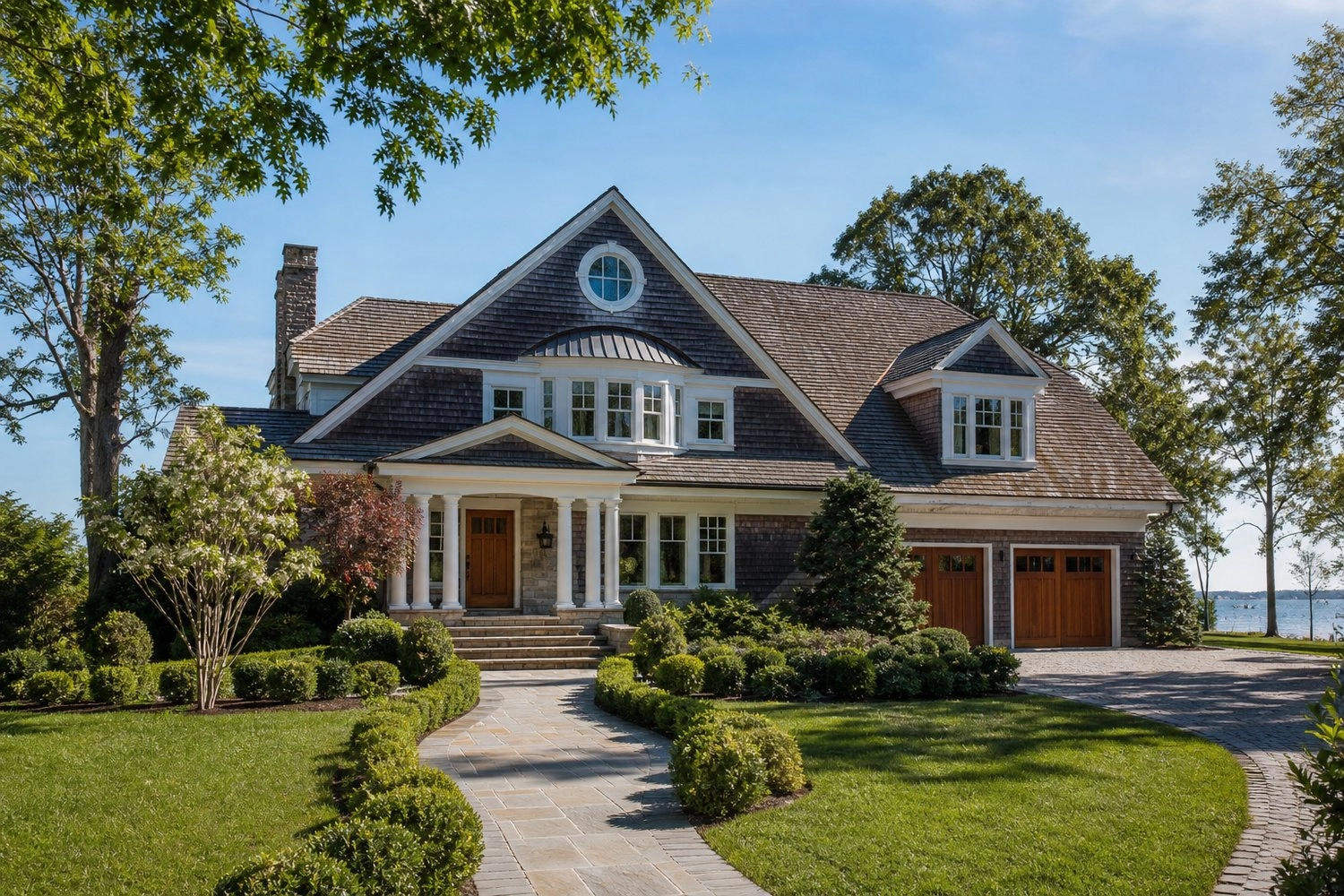
Treat "Great Neck" as a search filter, not a description. Before you tour, write down the subdivision, street, lot, water access, and mapped flood zone for every home on your list. Two listings with the same label can differ in nearly every way that affects how you live and what you'll maintain.
Great Neck Buyers Should Compare Homes Beyond the Name
What should Great Neck buyers compare besides the neighborhood name?
Great Neck buyers should compare each home by subdivision, street, lot, water access, and address-level flood status, not by the Great Neck label. Two listings under the same name can differ in nearly every way that affects daily life, upkeep, and insurance. Use the name as a first filter, then build the real comparison one property at a time.
Key Takeaways
- Hampton Roads had 6,603 active residential listings in October 2026, up 18.5% from October 2025 according to REIN, but that regional figure says nothing about supply in any single Great Neck subdivision.
- Great Neck is a broad Virginia Beach area with no single standardized boundary, so a listing's label tells you where to start looking, not what you're buying.
- Flood status is address-specific, and adjacent parcels can carry different mapped conditions, so every home on your shortlist needs its own flood-map check.
- "Near the water" and "waterfront" are different things: frontage, dock status, shoreline condition, and navigable access decide which one you're looking at.
- Lot shape, drainage, foundation type, and the age of major systems can matter more to your monthly experience than the neighborhood label ever will.
Andrew Christie has spent years watching buyers fall in love with a listing because of the name on it, then discover during due diligence that the property in front of them is a different animal from the one down the street. The fix is not complicated. It's a habit: compare properties, not labels.
Is Great Neck one neighborhood or several different settings?
Great Neck is a broad area of Virginia Beach, not a single uniform subdivision, and the label doesn't have one standardized boundary. Realtor.com's Virginia Beach market page treats it as a neighborhood-level listing area, which makes it a useful search filter and a poor property description.
A single Great Neck search can pull up detached homes, attached properties, older homes, newer construction, renovated homes, and lots of very different sizes. Andrew works across communities including Great Neck, Alanton, Great Neck Point, Bay Island, Broad Bay Point Greens, and Trantwood Shores, and clients learn quickly that each one has its own streets, settings, and feel. Great Neck is a legacy market where buyers do their homework, and it shows when someone shops off the label alone. Great Neck buyers can tell if you know the area, and the same goes for sellers sizing you up.
Subdivision and street come first
Write down the exact subdivision and street for every listing before you compare anything else. Two homes with similar square footage and a similar list price can sit in very different settings, and the street often tells you more than the neighborhood name does. Also note which routes you'd use to reach the places you go every week, because access within Great Neck isn't identical from one pocket to the next.
Home style and condition
Similar price does not mean similar house. Compare these side by side:
- Year built and construction type
- Floor plan and number of levels
- Crawl-space or slab foundation
- Renovation level and the age of the roof, windows, and HVAC
- Any evidence of past water intrusion
These factors affect maintenance and insurability independently of the Great Neck label. A renovated home with new systems and an older home with original ones may be listed at the same number, and they will not cost you the same to own.
The parcel, not just the building
The lot is half the purchase. Look at lot size, lot shape, and how much of the yard is actually usable. Check mature-tree coverage, drainage characteristics, driveway layout, garage and parking capacity, and outdoor storage. Also look at additions and how the house footprint relates to the remaining yard. A large lot on paper can be a small usable yard in practice, and a wooded lot has a different maintenance profile than an open one.
How do you separate "near the water" from waterfront and check flood risk?
Near the water means you're close; waterfront means the property has real frontage or access, and that gap shows up in daily use, maintenance, and value. A home can be near a body of water without having shoreline frontage, a private dock, navigable access, or even a water view.
For any home you're weighing as a waterfront purchase, record:
- The exact water body
- The type of frontage
- Dock or pier status
- Shoreline condition
- Tidal access
- Whether the view comes from the house or only from the lot
Waterfront and water-proximity valuation is Andrew's specialty. Properties on or near the water often list close to similar inland homes, and the buyer who reads the water relationship correctly can end up with a waterfront lifestyle at a price that doesn't fully reflect it. The reverse also happens: a buyer pays for a water label the property doesn't deliver. Andrew's post on why a view check isn't enough for Great Neck waterfront homes goes deeper on this.
How can you check the flood zone for a specific Great Neck address?
Enter the exact street address in the City of Virginia Beach's mapping system, then confirm against FEMA's official maps. The city's Floodplain Management page walks you through searching an address and turning on the flood zone layer. FEMA's flood maps are the federal reference for National Flood Insurance Program hazard mapping, and the FEMA Flood Map Service Center address search is the official starting point for a specific property.
Two cautions. First, adjacent parcels can have different mapped conditions, so never assume a neighbor's result applies to the house you're considering. Second, confirm which map and effective date apply to the property rather than assuming every Great Neck home carries the same designation. Then talk with an insurance agent and your lender about what the result means for your purchase, since those answers depend on the specific property.
Mapped flood hazard is not the whole water story
A flood designation tells you one thing. It doesn't tell you about elevation, drainage, seawall condition, dock rights, or whether the property has direct access to a bay, river, or tidal creek. Those are separate questions with separate answers, and they're the ones that separate two homes that look identical on a listing page. And no, not every Great Neck home sits on navigable water. Don't assume it. Verify it, property by property.
What does a Great Neck comparison worksheet look like?
It's a one-page grid you fill out the same way for every home on your shortlist, so differences show up on paper instead of in your memory. Great Neck buyers who do this tend to narrow a search faster and make cleaner offers, because they know which attributes they're actually paying for.
| Attribute | What to record | Where to verify |
|---|---|---|
| Location | Subdivision, exact street, routes to your regular destinations | Listing, map, a drive-through at different times of day |
| Home type and age | Detached or attached, year built, living area, levels | Listing, public records, your inspection |
| Condition and systems | Renovation level, roof, windows, HVAC, foundation type | Seller disclosures, home inspection |
| Lot | Size, shape, usable yard, trees, drainage, driveway, parking | Showing, survey, your own walk of the parcel |
| Flood status | Mapped designation, map used, elevation or drainage concerns | City of Virginia Beach mapping, FEMA Flood Map Service Center, insurance agent |
| Water relationship | Water body, frontage type, tidal access, view source | Showing, survey, your agent's local knowledge |
| Dock and shoreline | Dock or pier status, seawall or bulkhead condition | Inspection by a qualified specialist, seller documents |
Where does market data fit in?
Market data gives context, not a valuation. The most recent report, from October 2026, shows 6,603 active residential listings across Hampton Roads, which is 18.5% above October 2025. That's a regional number covering many subdivisions, property types, and price ranges. It doesn't show whether comparable homes in a particular Great Neck pocket gave buyers more choices or more negotiating room.
For a real price opinion you need genuinely comparable properties: similar home type, lot characteristics, water access, condition, and location within the area. That's why Andrew pulls comparables on the attributes in the worksheet above rather than on the neighborhood name. How much frontage or water access moves a home's value depends on the specific water, the specific lot, and the specific condition, so the honest answer for your short list comes from running those comparisons, not from a rule of thumb. If you want that done for homes you're considering, a consultation is the right next step. For the bigger picture on why local depth matters, see Great Neck real estate and the value of a local expert.
Curious what past clients say about working with Andrew? Read his reviews on Google and Zillow.
FAQ
Is Great Neck in Virginia Beach one neighborhood or several different subdivisions?
Great Neck is a broad Virginia Beach area that includes several communities and property settings, not one uniform subdivision. Market sources treat it as a neighborhood-level listing area without a single standardized boundary. Compare the specific subdivision, street, and parcel instead of relying on the label.
What should I compare when two homes are both listed in Great Neck?
Compare subdivision, exact street, home type, year built, lot size and usable yard, renovation level, major-system ages, flood designation, and water access. Add garage and parking capacity and your travel routes to regular destinations. Filling out the same grid for each home makes the real differences obvious.
How can I check the flood zone for a specific Great Neck address?
Search the exact street address in the City of Virginia Beach's mapping system, following the steps on its Floodplain Management page. Then cross-check the property in the FEMA Flood Map Service Center. Confirm which map and effective date apply, and review the result with your insurance agent and lender.
Are all Great Neck homes close to the water or on navigable waterways?
No. Some homes are near water without having shoreline frontage, a private dock, tidal access, or a water view. Verify the water body, frontage type, and access for each property rather than assuming the area name guarantees them.
How much does waterfront access change a Great Neck home's value?
It depends on the water body, the type of frontage, dock and shoreline condition, and the home itself, so no single rule applies across Great Neck. The reliable method is to compare genuinely similar properties with similar water access. Andrew can run that comparison for the homes on your list.
Ready to compare Great Neck homes property by property?
The Great Neck label gets you into the right search. The attributes above tell you which home is actually right for you, and Andrew helps Great Neck buyers sort that out before they write an offer. Call Andrew Christie at 757-269-9746 to talk through your shortlist, or download the Great Neck Insider Report for more local insight. If you're also curious how open houses fit into your search, here's why Great Neck open houses are for the neighbors, too.
Equal Housing Opportunity. Andrew Christie, Virginia Real Estate Broker, Atlantic Sotheby's International Realty; real estate licensing is regulated by the Virginia Department of Professional and Occupational Regulation (DPOR). This article is general information, not legal, tax, or financial advice. Confirm your own numbers and flood or insurance details with your closing agent, tax advisor, insurance agent, or lender.